Endpoint IRM
Insider risk that sees the data, not just the behavior
Bold runs AI on the device to classify what data is involved, read the intent behind every action, and act in the moment.

Behavior alone can't tell
you what's at risk
Traditional IRM watches how people act, but not what data they're acting on. That leaves three gaps where real risk hides.

Behavior without data context
It flags that a user acted abnormally, but not whether the data involved was sensitive. "Risky person" isn't an actionable answer.

Detection only, no prevention
Every incident routes through detect, investigate, escalate. By the time an analyst reviews it, the data has already left.

Blind to AI and agents
Models built on human behavior can't tell a person from an AI agent, or see the data moving into AI tools on the device.
Reduce workforce risk where users actually work
Where a tool runs its AI decides whether it can prevent an incident or only investigate one after the fact.
Traditional IRM
Baselines behavior and surfaces anomalies for analysts. Accurate on activity, but it infers data sensitivity instead of reading it.
Cloud & UEBA tools
Ingest logs and score users off the device. The risk score has no data dimension, and there's no way to act in the moment.
Reads the content and the behavior on the device, so risk reflects both. Bold coaches or blocks as it happens, and keeps working offline.
A risk score without data context tells you who to investigate.
Only on-device AI can tell you what's at stake and stop it in time.
Only on-device AI can tell you what's at stake and stop it in time.

Full user, behavior, and data context, at the endpoint
Insider risk is a data problem as much as a behavior problem. Bold reads both on the device, so every signal means something and every response fits the risk.
Data intelligence, not just behavior
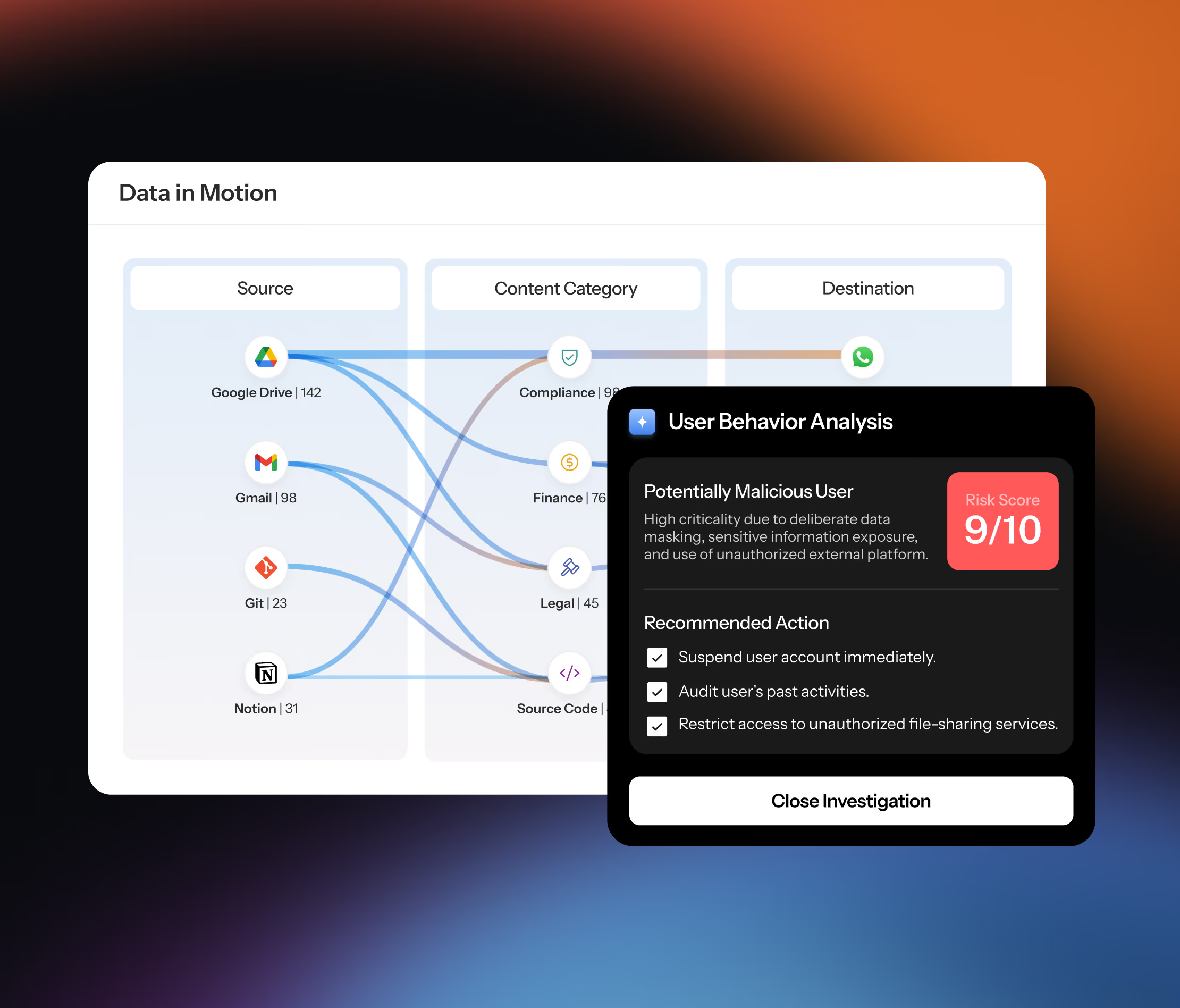
Semantic AI classification reads content on the endpoint, so risk reflects the data, not just the user. Bold tells you a person moved Q3 financials into ChatGPT, not just that they're a "risky user."
Every alert includes what data was involved and how sensitive it is
Behavior and data classification combine into one real risk score
Risk reflects what the sensitive data actually is, not just that a file moved
Real-time prevention, not investigation
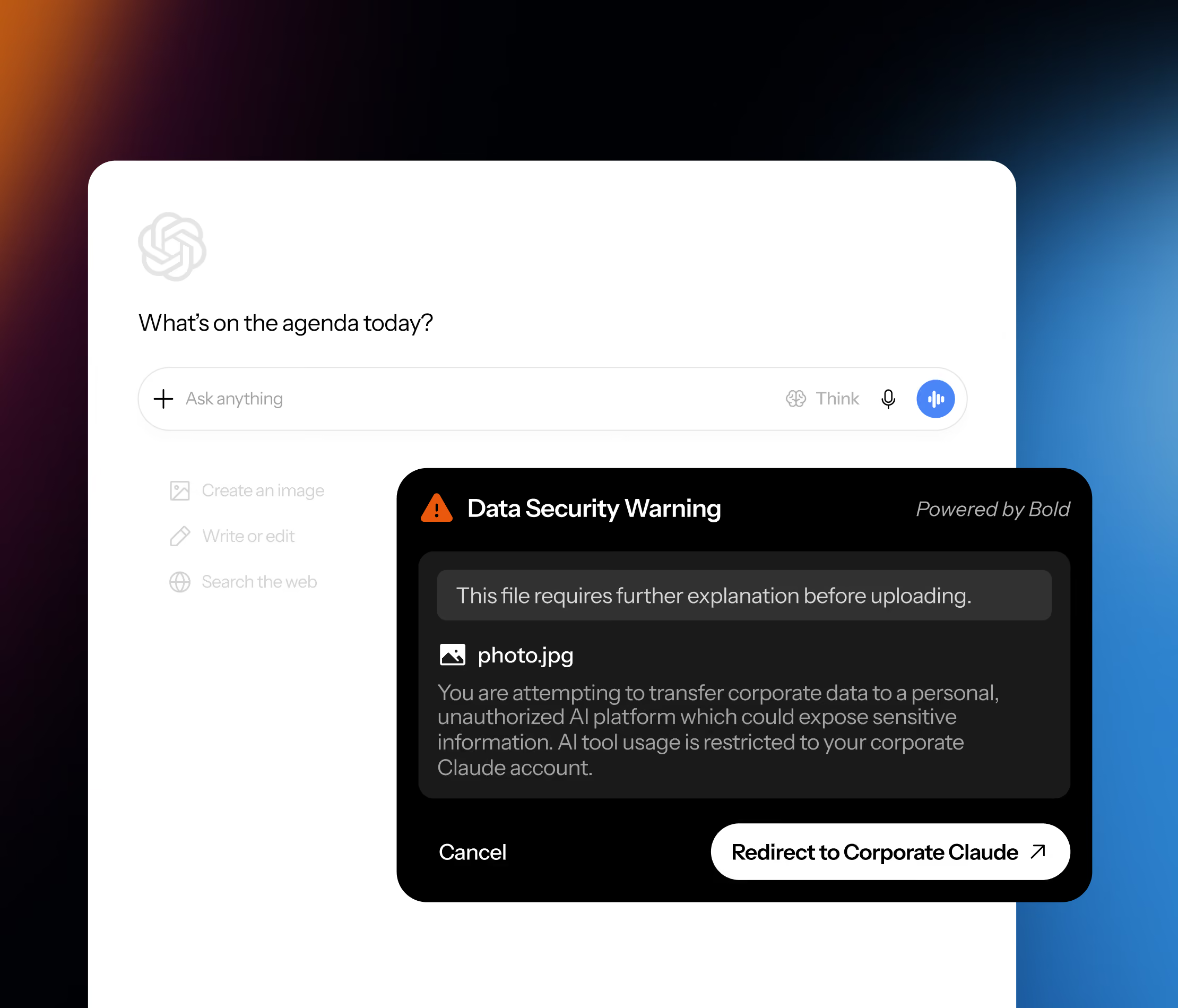
Bold coaches, redirects, or blocks at the moment of action, instead of routing every incident to an analyst after the fact. Legitimate work is never disrupted.
Acts in the moment, no human needs to be in the loop for clear cases of risky data exfiltration
Response match to the level of risk: coach, redirect, or hard block depending on the context
Most users self-correct to the appropriate action once shown why an action is risky
Human and AI activity, told apart
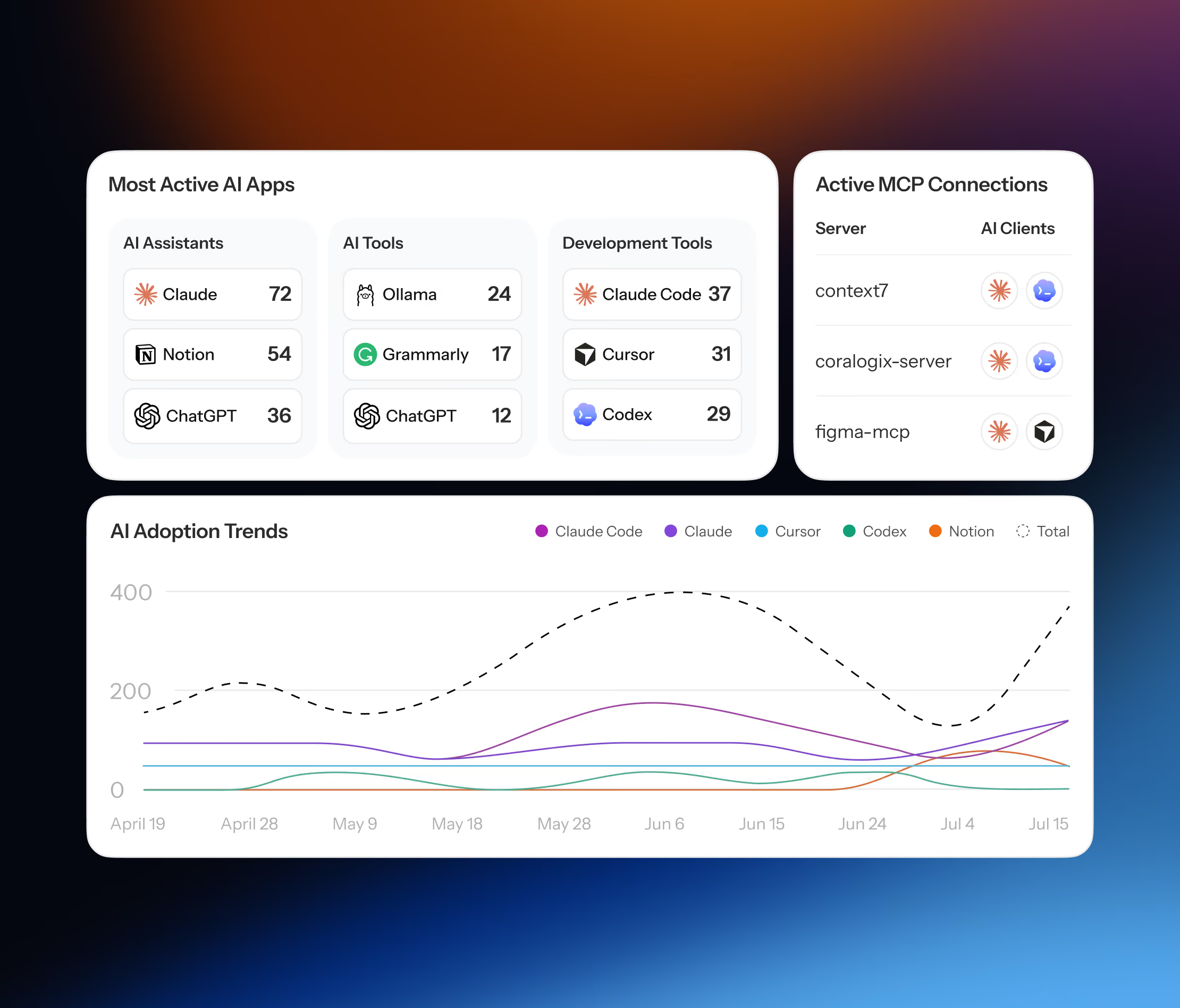
Bold reads the process tree on the device to distinguish a person's actions from an AI agent's, the distinction cloud and network tools structurally can't see.
Attributes and distinguishes every action to a human or an autonomous agent
Sees and blocks data moving into desktop AI apps and shadow AI tools
Understands and governs both human and agent risk from one shared context
How Bold transforms insider risk
Data context and behavior together change what your insider risk program can do.
Investigations in minutes
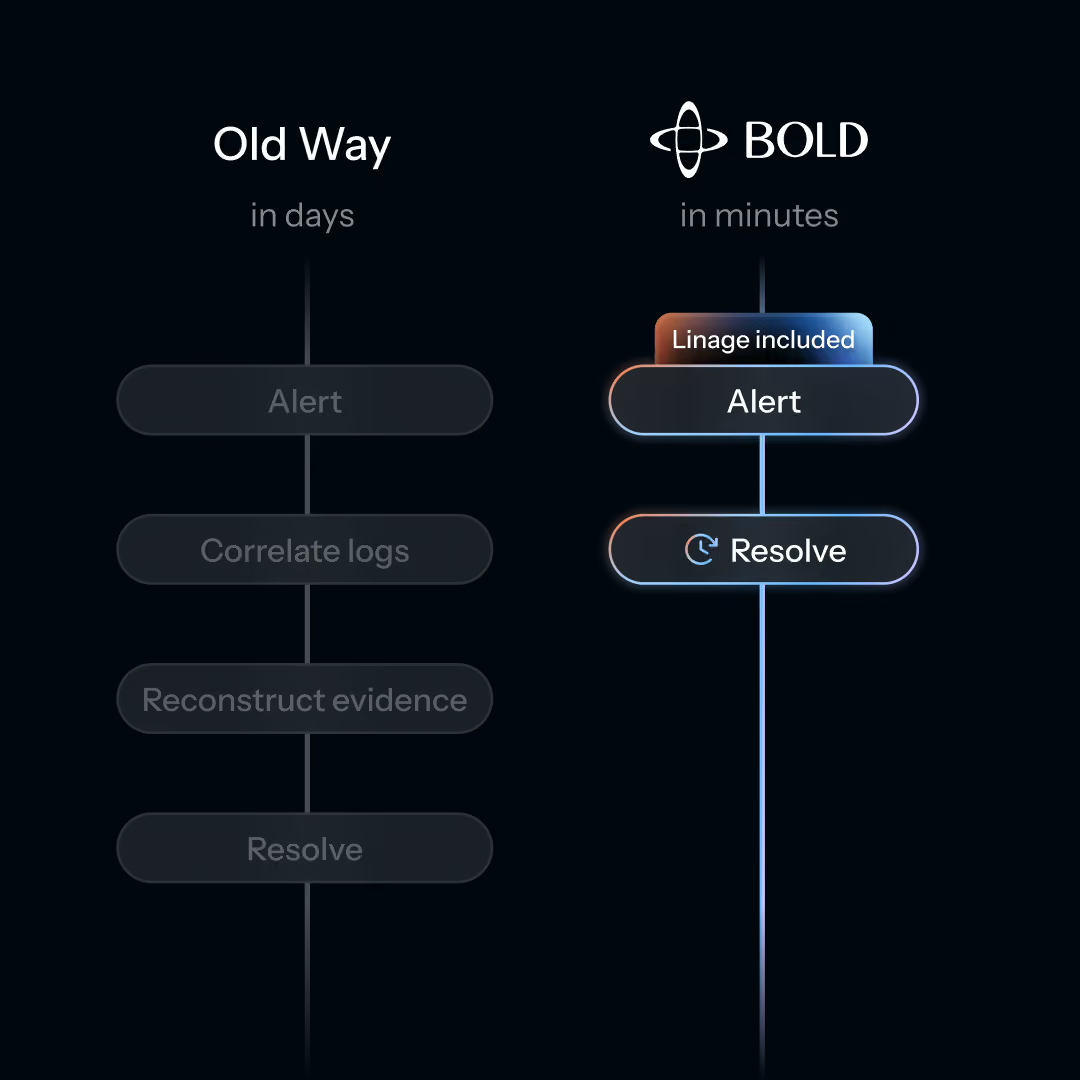
Lineage and context are attached from the start, so investigations drop from days to minutes.
Risk you can act on
Every signal carries the data, the actor, and the intent, so alerts are decisions, not guesses.
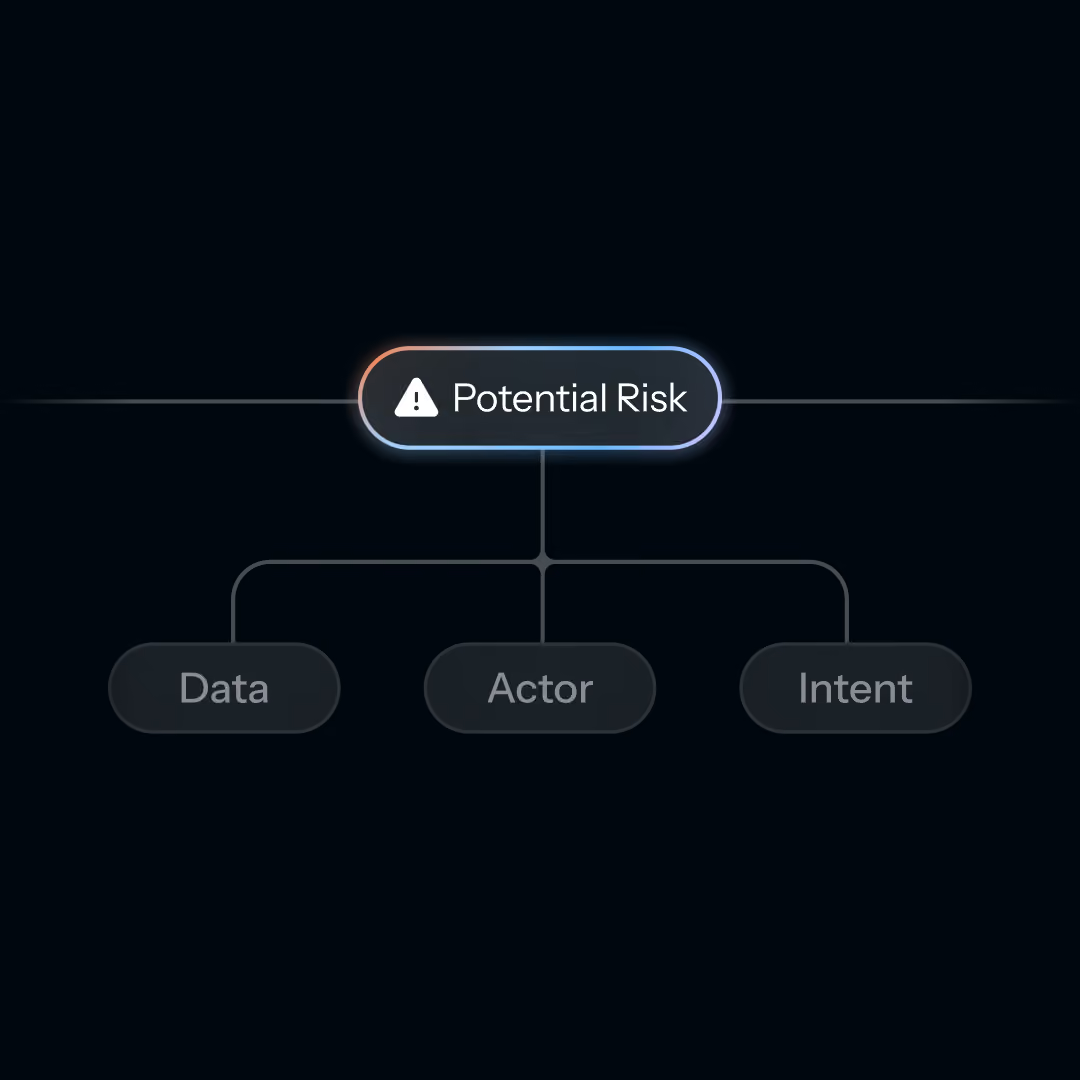
Prevention, not just detection
Risky action is stopped at the moment it happens, not escalated after the data is gone.
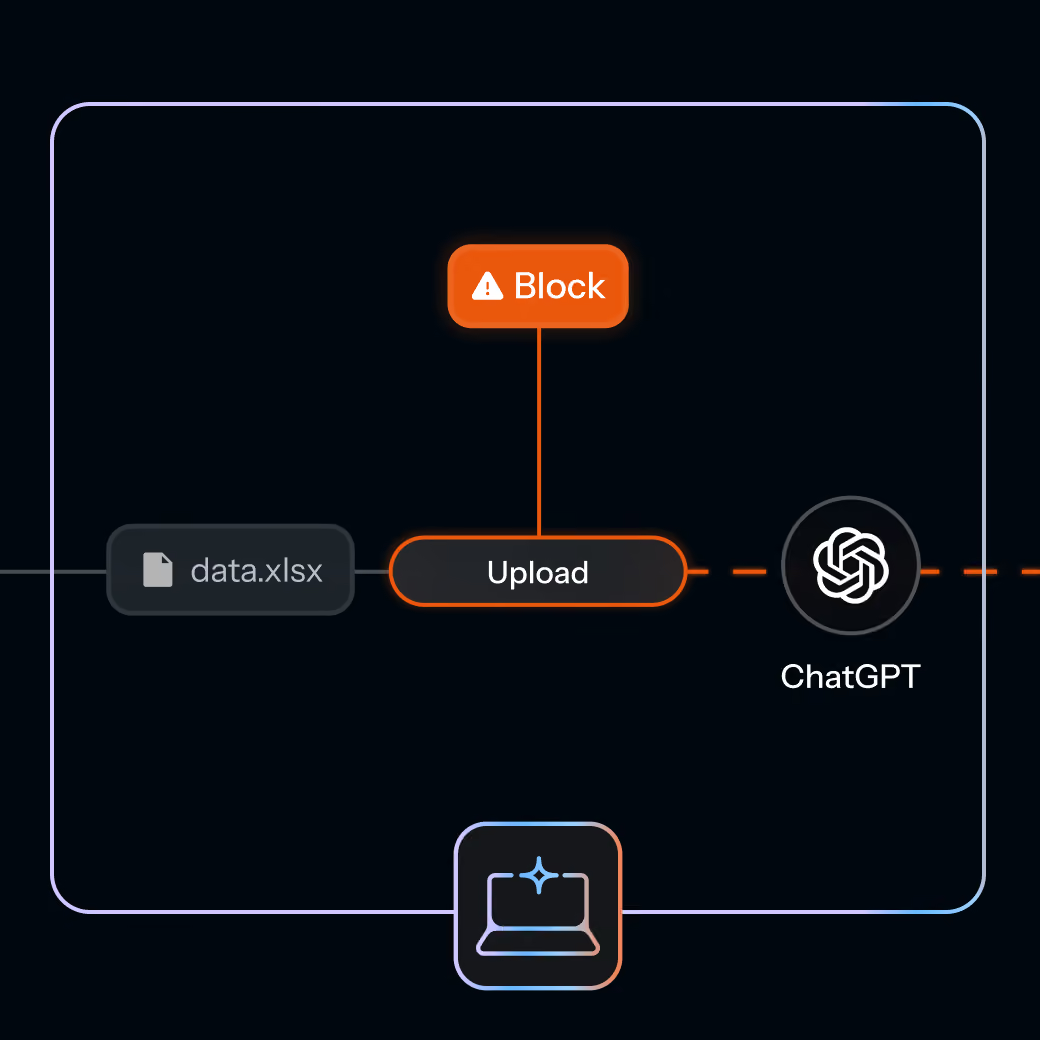
Protection that auto-scales
No baselines to tune or logs to correlate, so scaling coverage doesn’t rely on manual work.
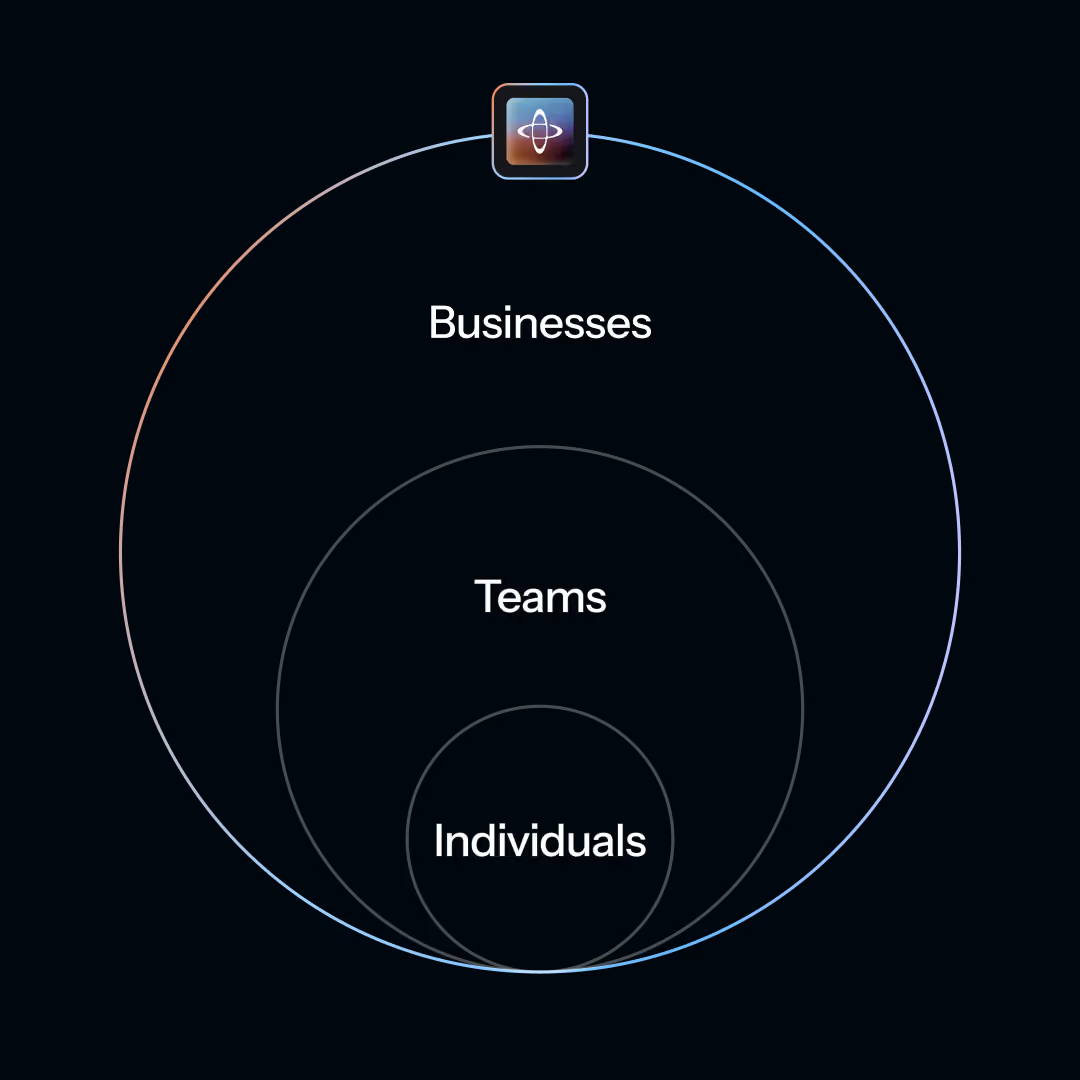
One platform, three use cases
The same on-device classification that powers insider risk management carries two more use cases from one deployment, drawing on one shared context.

Endpoint DLP
Semantic classification and real-time enforcement for sensitive data living and moving on the device.

AI Usage Control
See and govern every AI interaction on the device, including shadow AI and desktop apps cloud tools miss.

Endpoint Insider Risk
Behavioral intelligence plus data context, so every investigation carries the full picture from the start.